Landscaping Problems That Proper Land Grading Can Prevent

November 11, 2026

A healthy, attractive landscape requires more than selecting the right plants and maintaining a well-kept lawn. The property's elevation, soil conditions, and drainage patterns all influence how well outdoor spaces function. Without proper grading, homeowners may experience issues that affect their landscaping, property value, and surrounding structures. Understanding the benefits of a professional land grading service can help prevent common problems and create a more stable foundation for outdoor improvements.


1. Preventing Standing Water and Poor Drainage

Standing water is one of the most common problems associated with improper land grading. When a yard lacks the appropriate slope, rainwater may collect in low areas rather than flow toward designated drainage points. These puddles can remain long after rainfall, making portions of the property difficult to use and maintain.


Excess moisture can also damage grass, weaken plant roots, and create muddy areas throughout the yard. Over time, repeated water accumulation may contribute to soil saturation and other drainage concerns near the home.


A professional land grading service helps establish slopes that direct water away from buildings and other vulnerable areas. By evaluating the property's existing elevations and adjusting the terrain, contractors can help reduce standing water and improve overall drainage.


2. Preventing Soil Erosion and Landscape Damage

Soil erosion occurs when water or wind gradually removes exposed soil from the landscape. Properties with uneven elevations or improperly managed slopes may experience increased erosion during heavy rainfall. As water moves across the ground, it can carry away topsoil and expose plant roots.


Losing topsoil can make it more difficult for grass, flowers, and other vegetation to establish healthy root systems. Erosion may also leave bare patches, uneven ground, and deposits of displaced soil in unwanted areas.


Proper grading helps manage how water moves across the property. A land grading service can reshape uneven areas and establish more controlled slopes to reduce excessive runoff. This preparation helps preserve valuable topsoil and provides a more stable surface for future landscaping improvements.


3. Preventing Damage to Plant Roots and Lawn Growth

Plants and grass depend on suitable soil conditions to grow successfully. When water collects in low areas, the excess moisture can deprive roots of the conditions they need to remain healthy. Prolonged saturation may contribute to root damage, poor growth, and dying vegetation.


Uneven ground can create additional challenges for lawn maintenance. Some areas may remain too wet, while elevated sections may dry out more quickly. These inconsistent conditions can make it difficult to maintain an attractive, uniform lawn.


Professional grading helps create more consistent surface elevations and supports better water distribution. By addressing low spots and correcting problematic slopes, contractors can help create conditions more conducive to maintaining healthy landscaping.


A professional land grading service can also help prepare the soil for new grass, planting beds, and other landscape improvements. Correcting elevation issues before adding vegetation helps establish a more suitable growing environment. With better drainage and more consistent ground conditions, homeowners can reduce moisture-related plant damage and make ongoing lawn maintenance easier.


4. Preventing Water From Reaching the Foundation

Improper grading can cause rainwater to flow toward a home's foundation rather than away from it. When water repeatedly collects near the structure, the surrounding soil may become saturated. This can increase pressure against foundation walls and contribute to moisture-related concerns.


Water intrusion, basement dampness, and soil movement are potential consequences of inadequate drainage. These problems can become more difficult and expensive to address when they continue over time.


Properly planned land grading helps direct surface runoff away from the home. Contractors evaluate the property's slope and surrounding elevations to determine where adjustments may be necessary. Correcting these conditions can help protect the foundation while improving the drainage patterns throughout the yard.


Addressing grading issues early can also help homeowners avoid ongoing moisture concerns around the property. Contractors can identify areas where water collects and adjust the terrain to improve drainage. This preparation is particularly important for properties with sloping yards or low-lying sections near the home. Proper surface grading helps limit prolonged soil saturation and supports better protection for the surrounding landscape and foundation.


5. Preventing Uneven Outdoor Surfaces

Uneven terrain can make outdoor spaces less functional and create challenges for everyday activities. Sloping lawns, unexpected dips, and raised sections may interfere with mowing, walking, and general property maintenance. These conditions can also make it difficult to establish consistent landscaping features.


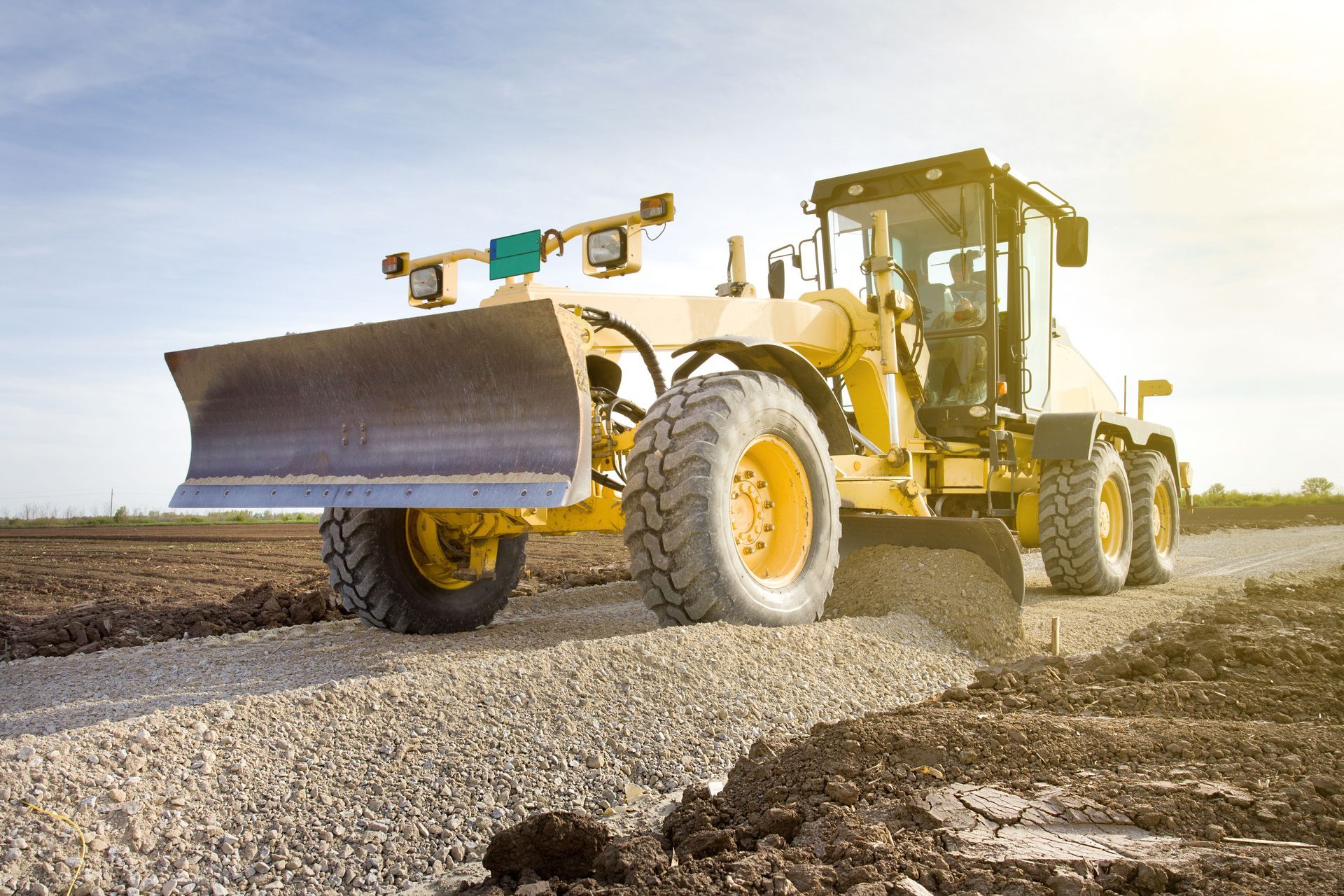
Proper grading helps create a more manageable surface by correcting elevation differences and preparing the ground for additional improvements. Depending on the property's layout, excavation and grading may be necessary to establish the desired contours.


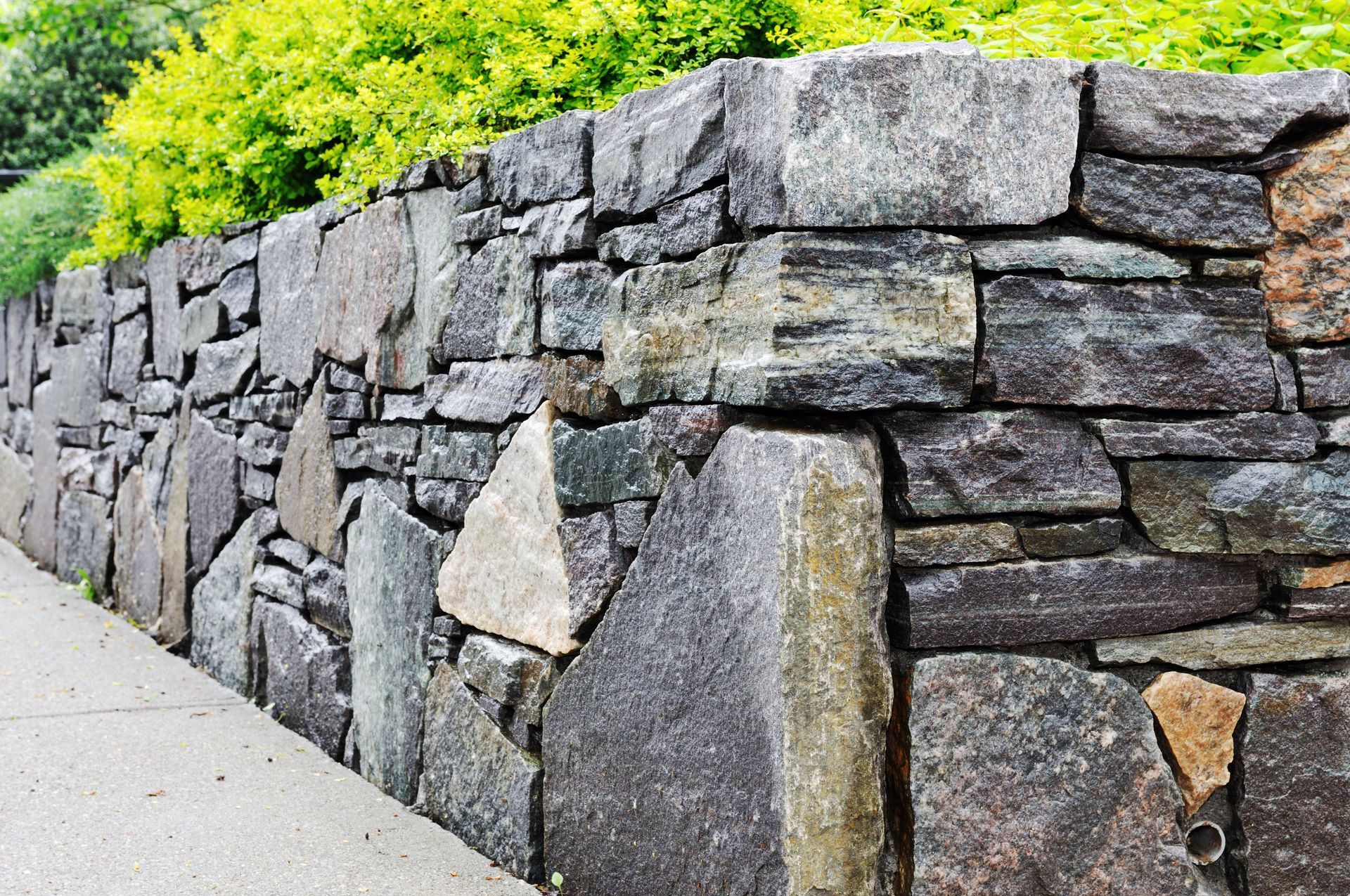
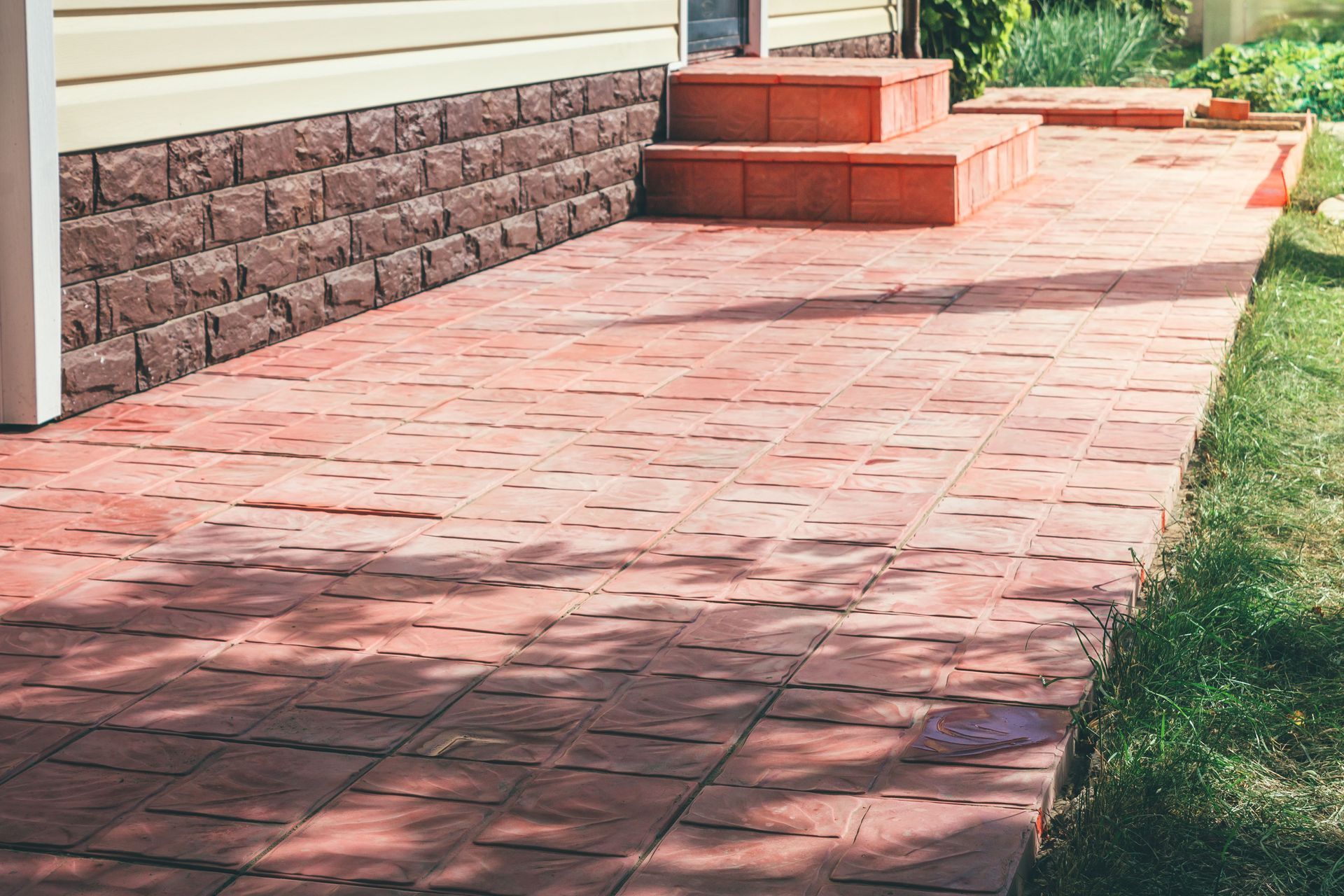
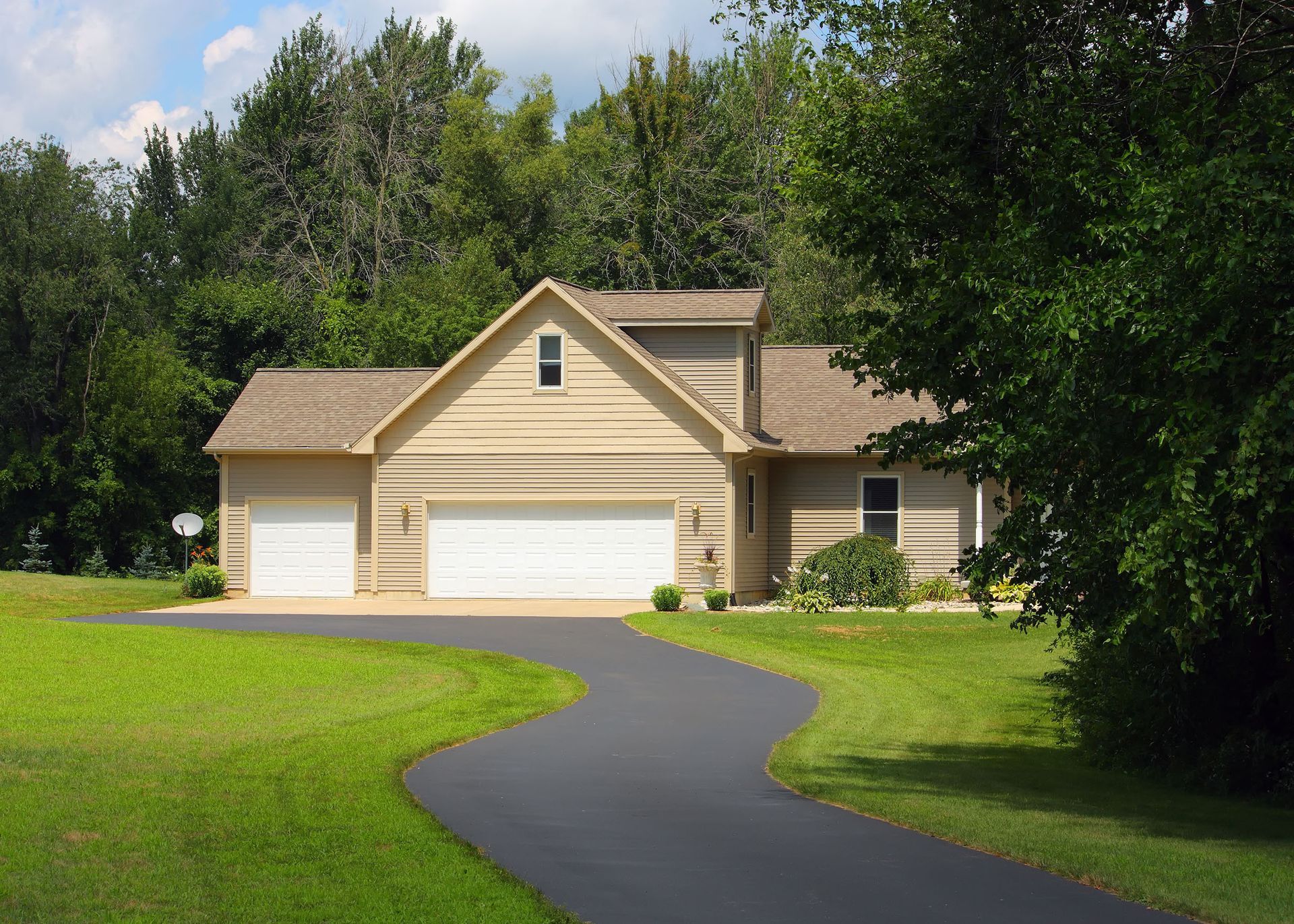
This preparation can also benefit other outdoor construction projects. Whether homeowners are considering paving improvements or masonry features, having properly prepared ground can provide a more stable starting point. Addressing uneven areas early helps reduce complications during later stages of property improvements.


6. Preventing Runoff From Affecting Nearby Areas

Water runoff does not always remain within the area where it originates. When a property has poorly planned slopes, rainwater may flow toward neighboring yards, walkways, driveways, or other outdoor surfaces. Excessive runoff can carry soil and debris into these areas, creating additional maintenance concerns.


Uncontrolled water movement may also contribute to erosion along property boundaries and damage surrounding landscape features. These problems can become especially noticeable during periods of heavy or repeated rainfall.


A professional land grading service considers the property's overall layout when evaluating drainage needs. Contractors can identify problematic runoff patterns and make appropriate adjustments to the terrain. Proper planning helps direct water toward suitable drainage areas while reducing the risk of creating new problems elsewhere on the property.


7. Preventing Reduced Property Value and Curb Appeal

Landscaping problems can affect more than a property's appearance. Standing water, eroded soil, dying vegetation, and uneven surfaces may make an outdoor space look neglected and less functional. These conditions can also discourage potential buyers who notice signs of drainage or grading problems.


Proper grading creates a more organized landscape and establishes a better foundation for maintaining outdoor areas. A professionally prepared property can accommodate healthier lawns, attractive planting areas, and more functional outdoor features.


According to HomeGuide, incorporating land grading into a larger landscape design project can increase property value by approximately 5% to 12%. Addressing grading concerns can therefore offer benefits beyond immediate drainage improvements. It can also contribute to a more attractive property that appeals to future buyers.


Working with a professional land grading service can help homeowners address existing terrain issues before they affect other landscape improvements. Correcting problem areas can make routine lawn care easier, improve the property's overall presentation, and help preserve the condition of surrounding outdoor features. These improvements can make the property more appealing to visitors and prospective buyers while supporting its long-term value.


Creating a More Stable Landscape

Proper grading is an important part of maintaining a healthy, functional, and attractive property. By addressing drainage issues, controlling erosion, and correcting uneven terrain, homeowners can prevent problems that may otherwise require costly repairs. Working with an experienced contractor also helps ensure that the property's existing conditions are considered before improvements begin. A professional land grading service can provide the groundwork needed for long-term landscape performance and better property protection. Contact Bouchard Construction Inc. today to discuss your property's grading and drainage needs and request a free estimate.
November 10, 2026
Heavy traffic places constant pressure on roads, parking lots, and commercial surfaces. Without proper construction, these areas can develop cracks, potholes, and structural damage that affect safety and accessibility. At Bouchard Construction Inc, we understand the importance of building durable pavement that withstands daily vehicle demands. Professional paving requires careful material selection, structural planning, installation techniques, and ongoing maintenance. Our paving contractors service focuses on helping property owners understand the factors that contribute to stronger, longer-lasting paved surfaces. Understanding How Heavy Traffic Affects Pavement Recognizing the Impact of Vehicle Weight Traffic loads refer to the weight and frequency of vehicles traveling across paved surfaces. Passenger vehicles, delivery trucks, buses, and commercial equipment create different levels of pressure. Heavier vehicles place greater stress on pavement, particularly when they repeatedly travel along the same routes. Over time, this pressure can weaken surfaces and underlying support layers. Professional contractors evaluate expected traffic patterns to determine appropriate pavement thickness, materials, and structural requirements. Identifying Common Pavement Damage Heavy traffic contributes to several types of pavement deterioration. Rutting occurs when repeated vehicle loads create depressions along frequently traveled paths. Cracking develops when pavement experiences excessive stress, temperature changes, or inadequate structural support. Potholes can form when moisture penetrates damaged areas and weakens underlying materials. These problems often become more severe when heavy vehicles continue using compromised surfaces. Recognizing these conditions allows contractors to recommend appropriate repairs before extensive deterioration occurs. Evaluating Environmental Conditions Weather significantly influences pavement performance. Temperature fluctuations cause materials to expand and contract, while precipitation can introduce moisture into vulnerable areas. Cold weather may contribute to cracking, especially when water freezes beneath the surface. Excessive heat can soften certain asphalt mixtures, increasing susceptibility to deformation under heavy loads. Our paving contractors service considers environmental conditions alongside vehicle demands when evaluating pavement projects. Understanding Load-Bearing Capacity Load-bearing capacity describes how much weight a pavement structure can support without experiencing significant deformation or failure. Properly engineered surfaces distribute vehicle weight across multiple layers, reducing concentrated pressure. According to the Asphalt Pavement Alliance, Americans traverse more than 3 trillion miles of roadways annually, and about 94 percent of those roads are surfaced with asphalt. This widespread use demonstrates asphalt's importance in transportation infrastructure and reinforces the need for professional construction practices. Selecting Materials for Heavy Traffic Conditions Comparing Asphalt and Concrete Asphalt and concrete are commonly used for roads, commercial parking areas, and other heavily traveled surfaces. Each material offers advantages depending on project requirements. Asphalt provides flexibility, allowing pavement to accommodate some movement and temperature changes. Concrete offers substantial compressive strength and can perform effectively under demanding vehicle loads. Material selection depends on anticipated traffic, environmental exposure, maintenance expectations, and project budgets. Professional evaluation helps determine which option best supports long-term performance. Evaluating Asphalt Performance Asphalt is widely used because of its versatility, relatively efficient installation, and ability to accommodate different traffic conditions. However, asphalt performance depends on proper mixture selection, pavement thickness, base preparation, and compaction. Heavy commercial vehicles may require stronger pavement structures than ordinary passenger traffic. Our paving contractors service emphasizes the importance of matching pavement specifications to the conditions each surface will experience. Considering Reinforced Materials Some projects benefit from specialized asphalt mixtures, reinforcement systems, or concrete designs that improve resistance to demanding traffic conditions. Polymer-modified asphalt, for example, can improve resistance to certain forms of rutting and cracking when appropriately specified. These materials are not necessary for every application. Contractors assess whether additional reinforcement provides meaningful performance benefits relative to the project's requirements and costs. Balancing Durability and Cost Initial installation expenses represent only one component of pavement ownership. Maintenance requirements, anticipated service life, and potential repairs also influence long-term costs. Selecting inexpensive materials without considering traffic demands may lead to premature deterioration. Conversely, unnecessary upgrades can increase expenses without delivering proportional benefits. Professional planning helps property owners balance durability, performance, and financial considerations. Designing Pavement for Long-Term Strength Establishing a Stable Foundation A durable pavement begins beneath its visible surface. Soil conditions, drainage, and base materials determine how effectively the structure supports vehicle weight. Weak or poorly prepared foundations can lead to settlement, cracking, and deformation, even when high-quality surface materials are installed. Professional contractors assess underlying conditions and establish suitable preparation requirements before paving begins. Distributing Heavy Vehicle Loads Effective pavement design distributes traffic pressure throughout the structure rather than allowing excessive stress to accumulate in isolated areas. Multiple pavement layers work together to support vehicles and transfer loads toward the underlying soil. Areas experiencing frequent truck movements, loading operations, or concentrated wheel pressure may require additional structural capacity. Our paving contractors service recognizes that traffic intensity and vehicle weight must influence pavement design decisions. Managing Surface Drainage Water management is essential for protecting pavement foundations. Standing water and inadequate drainage can weaken supporting materials, accelerate cracking, and contribute to pothole development. Proper grading helps direct runoff away from vulnerable areas. Depending on site conditions, drainage systems may also be necessary to prevent excessive moisture accumulation. Addressing drainage during construction can reduce future maintenance concerns and support pavement stability. Preventing Premature Structural Failure Pavement failures frequently result from combinations of excessive loading, inadequate foundations, moisture infiltration, and environmental stress. Professional design considers these interacting factors rather than addressing surface appearance alone. Anticipating potential problems helps contractors select appropriate materials, determine structural requirements, and establish construction specifications that support reliable performance. Applying Professional Construction Techniques Preparing the Installation Area Site preparation establishes the foundation for successful paving. Contractors evaluate existing surfaces, remove unsuitable materials when necessary, and prepare the underlying soil. Proper grading and base installation help create a stable platform for subsequent pavement layers. Preparation requirements vary according to soil conditions, existing damage, drainage needs, and expected vehicle loads. Our paving contractors service emphasizes professional site evaluation because problems beneath the surface can compromise even carefully installed pavement. Installing and Compacting Pavement Layers Compaction increases pavement density and helps materials resist movement under repeated traffic loads. Professional crews use specialized equipment to achieve appropriate compaction throughout the pavement structure. Equipment selection and installation procedures depend on material characteristics and project specifications. Insufficient compaction can leave excessive air voids or unstable areas, increasing the likelihood of deformation and premature deterioration. Maintaining Construction Quality Quality control helps ensure that materials and installation practices meet project requirements. Contractors may evaluate material consistency, layer thickness, surface elevations, compaction, and drainage performance throughout construction. Identifying deficiencies early allows corrections before they affect the completed pavement. Consistent oversight contributes to stronger surfaces and more predictable long-term results. Coordinating Commercial Paving Projects Commercial properties often require careful scheduling to minimize interruptions to deliveries, employees, customers, and surrounding traffic. Professional contractors consider equipment access, construction phases, site safety, and appropriate curing or cooling periods before reopening paved areas. Clear communication helps property owners understand project timelines and temporary access restrictions. Maintaining Pavement Under Heavy Traffic Scheduling Regular Inspections Routine inspections help identify cracks, drainage concerns, surface depressions, and other developing problems. Heavy-use areas deserve particular attention because repeated loading can accelerate deterioration. Property owners benefit from professional assessments that distinguish cosmetic wear from conditions requiring structural repairs. Our paving contractors service encourages proactive pavement management to help protect long-term property investments. Addressing Damage Promptly Minor pavement damage can worsen when moisture and heavy vehicles continue stressing compromised areas. Depending on the severity, professional repairs may include crack sealing, patching, resurfacing, or more extensive reconstruction. The appropriate treatment depends on whether deterioration affects only the surface or extends into supporting layers. Planning Preventive Maintenance Preventive maintenance helps preserve pavement condition and reduce avoidable deterioration. Maintenance schedules should reflect traffic volume, environmental exposure, pavement age, and existing surface conditions. Professional contractors can evaluate whether protective treatments, drainage improvements, or targeted repairs are appropriate. Supporting Long-Term Performance Durable pavement requires more than strong materials. Successful projects combine appropriate design, careful installation, and ongoing professional attention. At Bouchard Construction Inc, we recognize that every paved surface faces unique challenges. Our paving contractors service prioritizes understanding those conditions and helping property owners make informed decisions. Whether a project involves commercial traffic areas, access roads, or frequently traveled pavement, professional planning is essential for dependable results. Contact Bouchard Construction Inc to discuss your paving needs and learn how experienced contractors can help create surfaces designed for demanding traffic conditions.
paving company
July 22, 2026
See how a professional paving company can improve your driveway, enhance curb appeal, and help increase your home's value with lasting results.
March 17, 2026
From patios and fire features to walkways, a masonry installation service offers endless possibilities to elevate your yard into a living space you love.
masonry services
January 28, 2026
In this article, we'll demonstrate why investing in skilled masonry services is crucial for developing resilient and sustainable buildings.
land grading services
November 11, 2025
Do you have questions about land grading? Read this blog to learn more about the four reasons you need land grading services before building.
local paving contractor
June 16, 2025
If you're ready to upgrade your home's exterior, working with a reputable local paving contractor is a smart move. Keep reading to learn more!
asphalt paving contractors
November 12, 2024
Read our blog to discover why quality paving is so important for businesses. If you need reliable asphalt paving contractors, contact us today!
paving company
November 7, 2023
If you've decided on hiring a paving company for your property, there are some key details to learn about your contractor of choice. Read here to learn more!
asphalt paving contractor
May 25, 2023
Wondering if you need a new driveway? Before you reach out to an asphalt paving contractor for service, here are four signs to watch for.