
Why Masonry Services Are Essential for Long-Lasting Structures
Masonry services have long been an integral part of constructing durable and long-lasting structures. The role masonry plays in ensuring stability makes it a critical method in construction. With a history that stretches back to ancient civilizations, masonry techniques have continuously evolved, adapting to contemporary needs and innovations. This article explores the multifaceted aspects of masonry, from its historical significance and structural benefits to its economic and environmental impacts. Ultimately, we aim to demonstrate why investing in skilled masonry services is crucial for developing resilient and sustainable buildings.
The Structural Benefits of Masonry
Durability and Strength
The inherent strength of masonry services make it an ideal choice for durable construction. Masonry materials can withstand significant weight and pressure, creating sturdy and reliable structures. This durability is evident in the centuries-old buildings that still stand today. By employing the right techniques and maintenance practices, such as repointing and crack repair, the longevity of masonry can be further extended. According to Cooperatornews, regular maintenance ensures that masonry structures remain in optimal condition year-round.
Fire Resistance
Masonry offers superior fire resistance compared to many other construction materials. The non-combustible nature of stone, brick, and concrete ensures that masonry structures can withstand high temperatures and prevent the spread of fire. This attribute is particularly important in urban settings where the risk of fire is increased. By integrating fire-resistant materials in the construction phase, architects can design safer spaces. Additionally, insurance premiums can often be lowered due to the fire resilience offered by masonry buildings.
Energy Efficiency
Masonry structures contribute significantly to energy efficiency due to their excellent thermal mass properties. This thermal mass helps to regulate indoor temperatures by absorbing, storing, and gradually releasing heat. It reduces the need for heating and cooling, thus lowering energy consumption and costs. In addition to cost savings, the energy efficiency of masonry also means a reduced environmental footprint. Modern masonry materials continue to enhance these benefits by incorporating innovative designs that maximize thermal performance.
Acoustic Insulation
Masonry is also highly effective at providing acoustic insulation. The dense nature of masonry materials such as stone, brick, and concrete creates an effective barrier to sound transmission. This makes masonry an excellent choice for urban environments or buildings requiring soundproofing, like schools and concert halls. The reduction in noise pollution contributes to more comfortable and serene living and working spaces. Consequently, structures utilizing masonry often offer higher comfort levels for occupants.
Aesthetic Versatility
Beyond its structural benefits, masonry offers a wide range of aesthetic possibilities. The variety of textures, colors, and styles available allows for unique and customizable architectural designs. Whether it's the rustic charm of a stone cottage or the sleek lines of a modern brick facade, masonry can accommodate diverse aesthetic preferences. While providing visual appeal, it maintains the structural integrity necessary for longevity. This versatility makes it a preferred choice for architects aiming to blend form and function.
Masonry Techniques and Best Practices
Types of Masonry Work
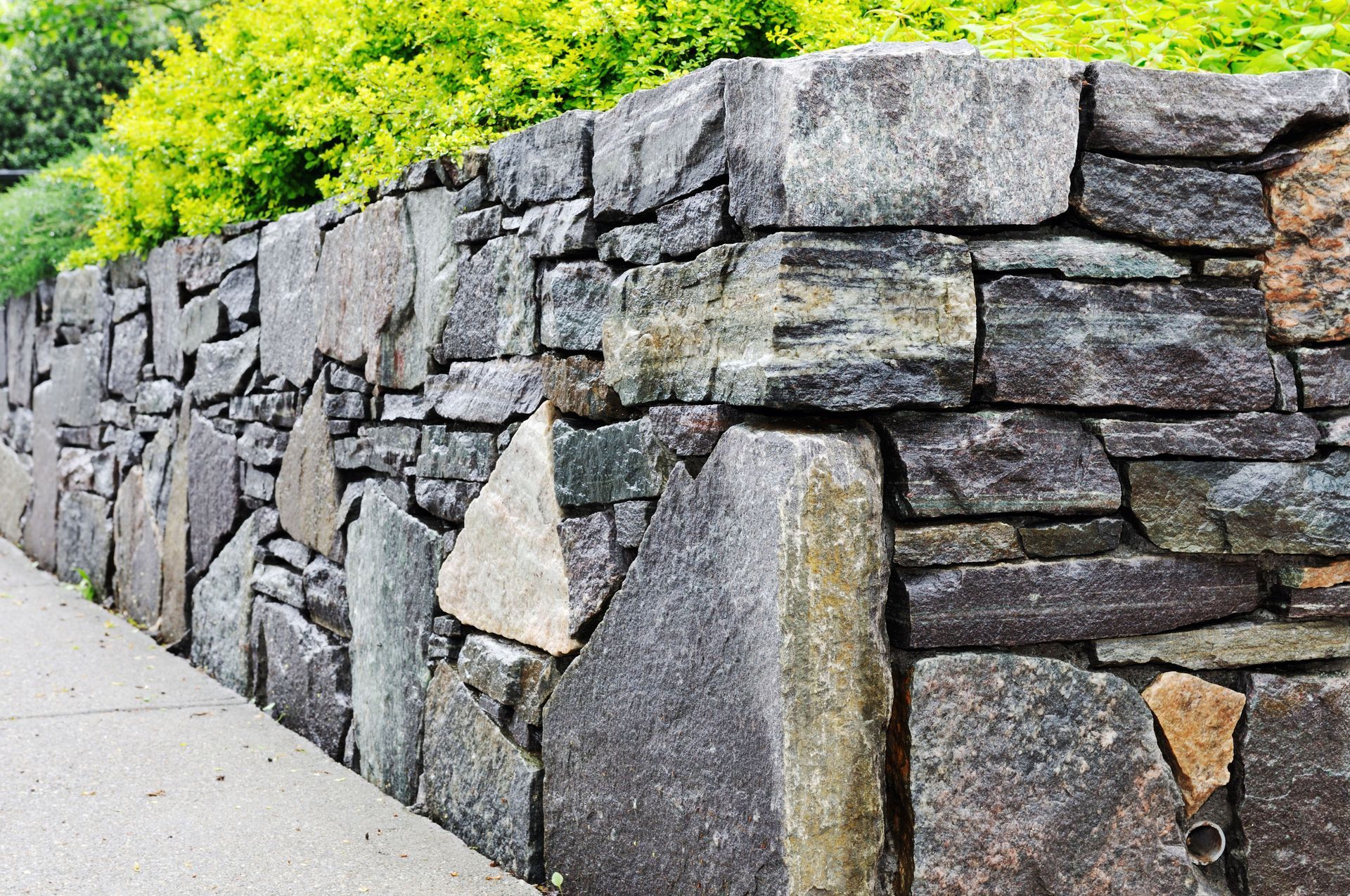
Masonry work can be categorized into several distinct types, each with its own application and advantages. Brick masonry is commonly used for its uniformity and ease of construction, suitable for both exterior and interior walls. Stone masonry offers a natural aesthetic and is often employed for its robustness and weather resistance. Block masonry utilizes larger concrete blocks for rapid construction and enhanced thermal properties. Each type requires specialized skills and techniques to ensure quality results.
Proper Mortar Selection and Application
The choice of mortar is crucial in masonry, impacting both the strength and durability of a structure. Different types of mortar are suited to different materials and environmental conditions. Proper application, including ensuring the correct consistency and working it into the joints thoroughly, is imperative. Inadequate bonding can lead to structural issues such as water infiltration and reduced longevity. Regular maintenance activities, such as repointing, are necessary to replace deteriorating mortar and preserve structural integrity over time.
Weather Considerations in Masonry
Weather conditions play a significant role in the outcome of masonry projects, necessitating careful planning and execution. Moisture management is critical as excess water can lead to efflorescence and freeze-thaw cycles can cause cracking. Temperature fluctuations require careful scheduling, often necessitating the use of protective coverings or artificial heat sources. Understanding these environmental factors helps in selecting suitable materials and techniques for different climates. By addressing these considerations, masons can enhance the resilience and durability of the structures they build.
Maintenance and Preservation of Masonry Structures
The preservation and maintenance of masonry structures are crucial to extending their lifespan and functionality. Regular inspection and prompt repair of issues such as cracks or deteriorating mortar help prevent more severe damage. Restorative practices such as repointing or cleaning can significantly enhance both the structural integrity and appearance of masonry. Maintenance not only safeguards the building's safety but also protects its historical or aesthetic value. Ensuring proper upkeep is integral to the longevity of masonry constructions, allowing them to serve communities for generations.
The Economic Impact of Masonry Services
Cost-Effectiveness in Construction
While initial costs for masonry may be higher than other materials, the long-term economic benefits make it a cost-effective option. The durability of masonry reduces the need for frequent repairs and replacement, resulting in substantial savings over time. Energy efficiency also contributes to lower operational costs through reduced energy consumption. Investing in quality masonry can lead to increased property value and greater financial returns. When considering the entire lifecycle of a building, masonry proves to be an economical choice.
Local Sourcing of Materials
The use of locally sourced materials in masonry reduces transportation costs and supports local economies. Procuring materials such as stone, sand, and clay from nearby quarries or suppliers also minimizes the environmental impact associated with long-distance transportation. This practice ensures that masonry projects are both economically viable and environmentally responsible. Local sourcing additionally fosters a stronger connection between construction projects and the surrounding community. In this way, masonry services encompass far-reaching positive economic impacts.
The Return on Investment for Building Owners
Investing in high-quality masonry work offers significant returns for building owners. Structures built with masonry appreciate in value over time, making them desirable assets in real estate markets. Their durability and aesthetic appeal ensure that owners benefit both from reduced maintenance costs and increased property desirability. Insurance benefits related to masonry's fire-resistant properties further enhance potential cost savings. Overall, the decision to invest in masonry can yield greater financial rewards over a property's lifespan.
Case Studies on Economic Benefits
Real-world examples illustrate how masonry services have led to economic advantages for various projects. One such case involves a historic building preserved through careful masonry restoration, resulting in increased tourism and local economic growth. Another example highlights a residential development where energy-efficient masonry homes offered significant utility savings to homeowners. In commercial developments, the use of locally sourced materials strengthened community ties and bolstered the regional economy. These case studies demonstrate that thoughtful masonry practices can have broad economic implications.
This article has outlined the comprehensive advantages and considerations surrounding masonry services in the construction industry. By delving into historic precedents, structural benefits, economic impacts, sustainability, and future trends, a detailed understanding of masonry has been revealed. Individually, each aspect highlights critical reasons why masonry remains a vital method for building long-lasting structures. As construction demands grow and evolve, the time-tested techniques and innovative advancements within masonry promise to meet these challenges effectively. Investing in skilled masonry services today ensures durable, economically viable, and environmentally friendly structures for future generations. If you're looking for masonry services, contact Bouchard Construction Inc today.


Share On: